Times of Hunger

Surveys

Field surveys conducted on the ground — households, seasons, and livelihoods. Open a survey to see its full record: photographs, video, audio, field notes, and findings.

Delhi Hunger Survey

Delhi · september 2026

Delhi Hunger Survey

This study examines how students who undertook a hunger strike against the re-examination understood their own act. The protest arose among candidates who were required to resit a national entrance examination, and the survey asks what hunger meant to those who chose it, attending to its sensation, its emotional register and the reasons for adopting abstention as a mode of address, in a South Asian tradition that treats fasting as a form of political speech. The hunger strike is taken here to be a communicative act as well as a physical one: the body, in refusing sustenance, is made to speak where ordinary language has failed. The evidence was gathered through a self-administered online questionnaire of thirty-eight items, created and distributed through Google Forms. The instrument combined demographic and closed questions with a ten-point scale of perceived difficulty and a series of open-ended questions, several of which invited interpretive responses to visual images of hunger. Forty students from five Delhi colleges responded: Netaji Subhas University of Technology, Motilal Nehru College, Satyawati College, Atma Ram Sanatan Dharma College and Sri Venkateswara College. Twenty-seven were aged 20–25, and all forty were fasting in protest for the first time. Closed items were tabulated directly, while the open answers were read closely and coded thematically. The fast proved prolonged and arduous. The median duration was approximately fifty-nine hours, thirty-one respondents abstained for at least forty-eight hours, and the mean self-rated difficulty was 7.7 out of 10. The emotions most frequently named were determination (eighteen respondents) and anger or frustration (sixteen). The students’ motives were notably outward-facing: the largest group (fourteen) cited solidarity with the aspirants and juniors who had lost a year, and an equal number chose hunger because it cannot readily be ignored. Others described it as a symbolic and moral gesture, and as a peaceable one that preserved the dignity of the cause. Visibility was largely achieved. Thirty-seven of the forty judged that the fast had made their cause more visible, and thirty-six reported the support of friends, fellow students or the public. Acknowledgement from authority was another matter. Only eight felt they had been taken seriously, thirty-two answered “somewhat” or “no”, and twenty-one described the authorities as ignoring, dismissing or minimising the protest. Eighteen recalled that their families were anxious or distressed. The results suggest a disjunction between being seen and being answered: abstention secured an audience and a measure of public sympathy, yet it did not, in the students’ account, command a corresponding response from those it addressed. Hunger functions here as testimony, a bodily witness offered where speech had been disregarded, and its efficacy depends on a listener willing to hear. The sample is small, non-random and self-reported, so the findings describe these forty respondents and cannot be generalised. Fasting durations were estimated from free-text answers, and the thematic coding was undertaken by a single coder, so the counts are interpretive. The responses form a sample dataset compiled to illustrate the survey instrument and its analysis.
40400
View survey →
Madhya Pradesh Hunger Field Survey

Madhya Pradesh · September

Madhya Pradesh Hunger Field Survey

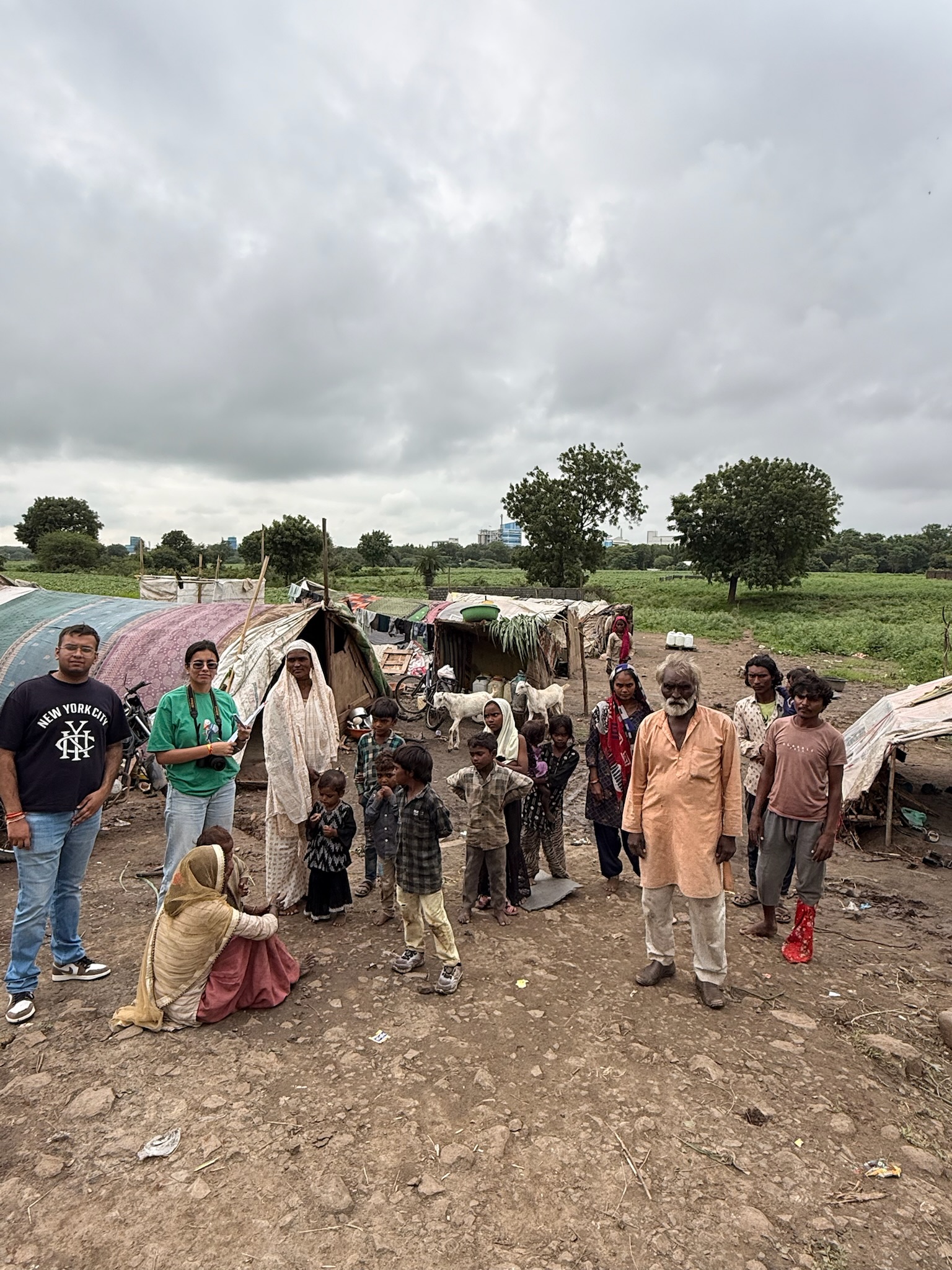
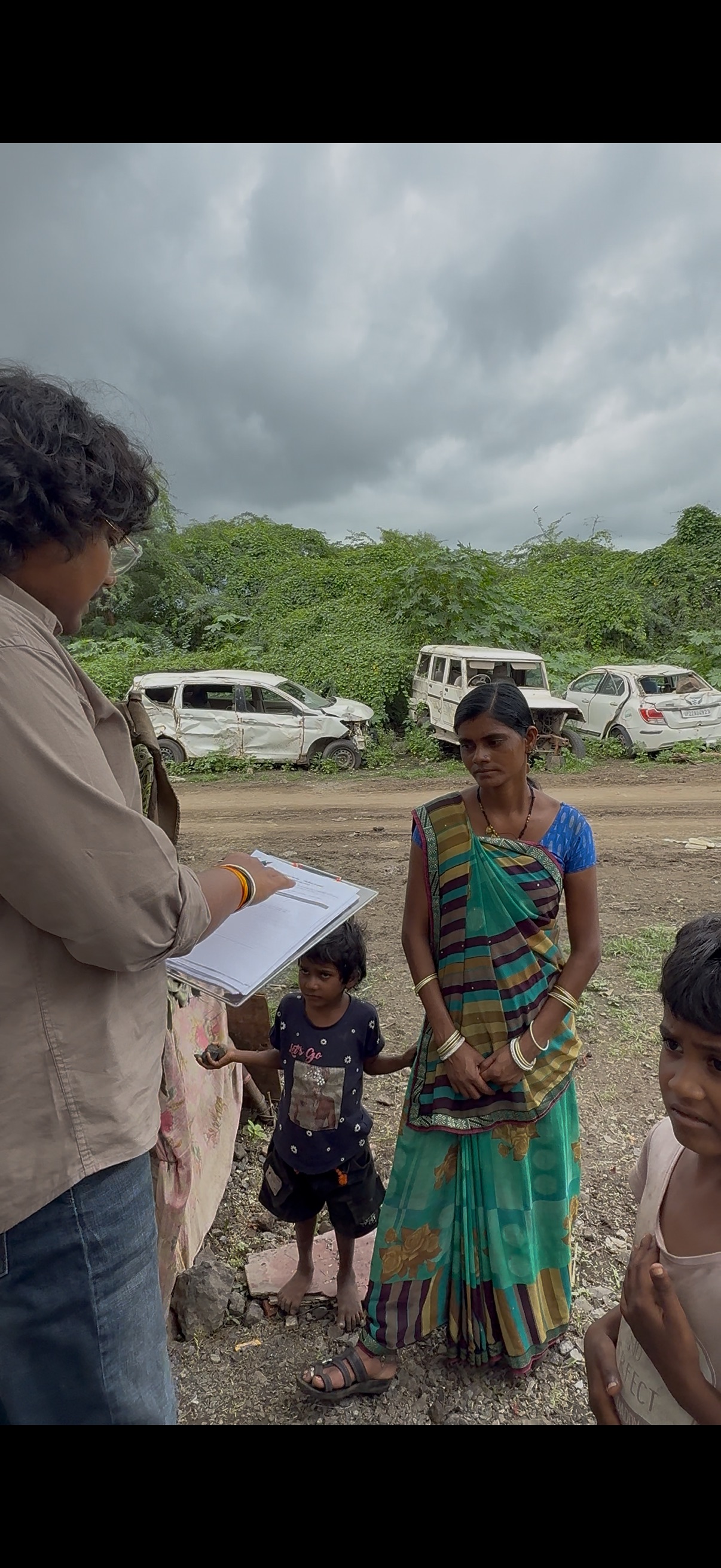
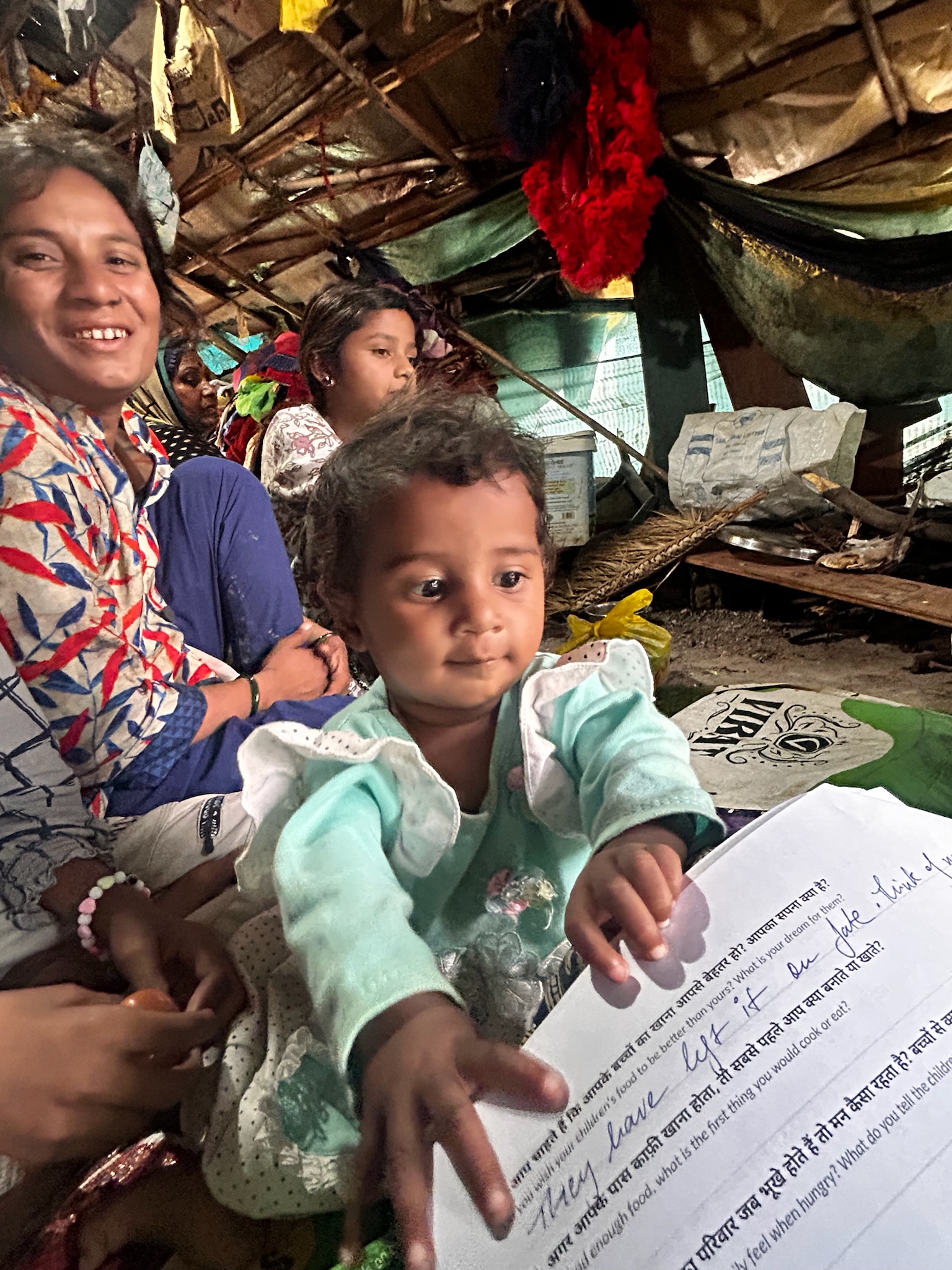
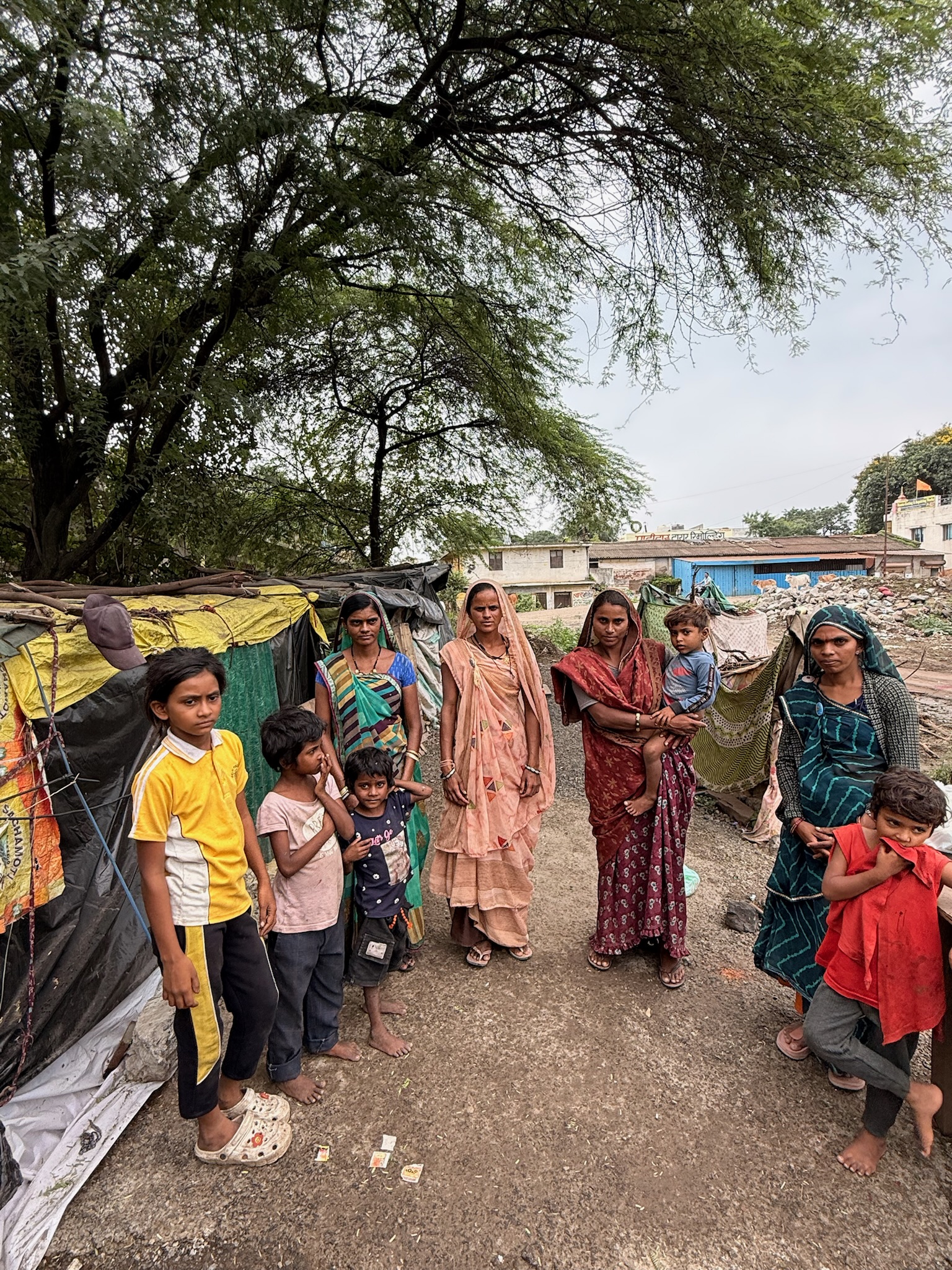
Across the four localities of Dhar, Dewas, Kshipra and the margins of Indore, fifty-two households were surveyed in equal measure, thirteen to each place, and from their testimony there emerges a portrait less of scarcity than of its permanence. These are households of the Bhil, the Kafir and the Nath — three communities whom circumstance has pressed to the same low ground. Women form nearly two-thirds of those who spoke, and it is upon them that the labour of the household, and frequently its sole income, has come to rest. What the figures disclose is a poverty remarkable chiefly for its uniformity. Earnings gather, with little deviation, about five to six thousand rupees a month; the households are large, some six souls apiece, and burdened commonly with two or three children; and every dwelling, without exception, is of unbaked earth, its hearth fed with wood. Of the fifty-two, but thirteen hold a ration card; the remaining thirty-nine possess none. No family owns land. No woman brought anything into her marriage. The order of eating is, in all but one quarter, a settled hierarchy in which the men are served and the women wait. The instrument’s final section renders its verdict without dissent: in every household, by every measure, the answer is the same. All have had recourse to meaner and fewer foods; all have curtailed their meals; in all of them the children have gone to their beds hungry — and this not upon some solitary evening but through five days and more within the month. The conclusion to be drawn is sombre and unambiguous: here hunger is not an episode but a condition. It does not distinguish between one household and the next, for it has visited them all alike; and its weight descends most heavily upon the women and the children, who in the economy of the household eat last, and least.

52300
View survey →
Madhya Pradesh Field Survey- Dhar District

Dhar, Madhya Pradesh · September 2026

Madhya Pradesh Field Survey- Dhar District

The Dhar households are wholly of the Bhil, drawn from Lakshman Kheri, Jhabua and the villages adjacent. They are households sustained by women — nine of the thirteen respondents — who go out to daily wage-labour while the men, by their own account, stand aside and are reckoned a burden. Earnings seldom exceed five or six thousand rupees a month; the households are modest in size; and of land, livestock or ration card there is none.

0300
View survey →
Madhya Pradesh Field Survey- Dewas District

Dewas · September 2026

Madhya Pradesh Field Survey- Dewas District

The Dewas households are of the Kafir, dispersed through Dewas town, Amona, Shinalpur and Sujalpur. This quarter is distinguished by a near-equal number of men and women among its respondents and by the modest keeping of livestock — a goat or two, sometimes four — a slender asset the neighbouring communities wholly lack. The hearth is kindled twice daily, and meat appears upon the table perhaps once in the month.

13300
View survey →
Madhya Pradesh Field Survey- Kshipra District

Kshipra · September 2026

Madhya Pradesh Field Survey- Kshipra District

Near the Kshipra dwell a second body of Bhil households, echoing Dhar in their social arrangement: led and worked by women, yet governed still by the custom that seats the men first at every meal. Their earnings lie between four and six thousand rupees, their households number some five persons, and not one holds a ration card.

4300
View survey →
Madhya Pradesh Field Survey- Indore Outskirts

Indore · September 2026

Madhya Pradesh Field Survey- Indore Outskirts

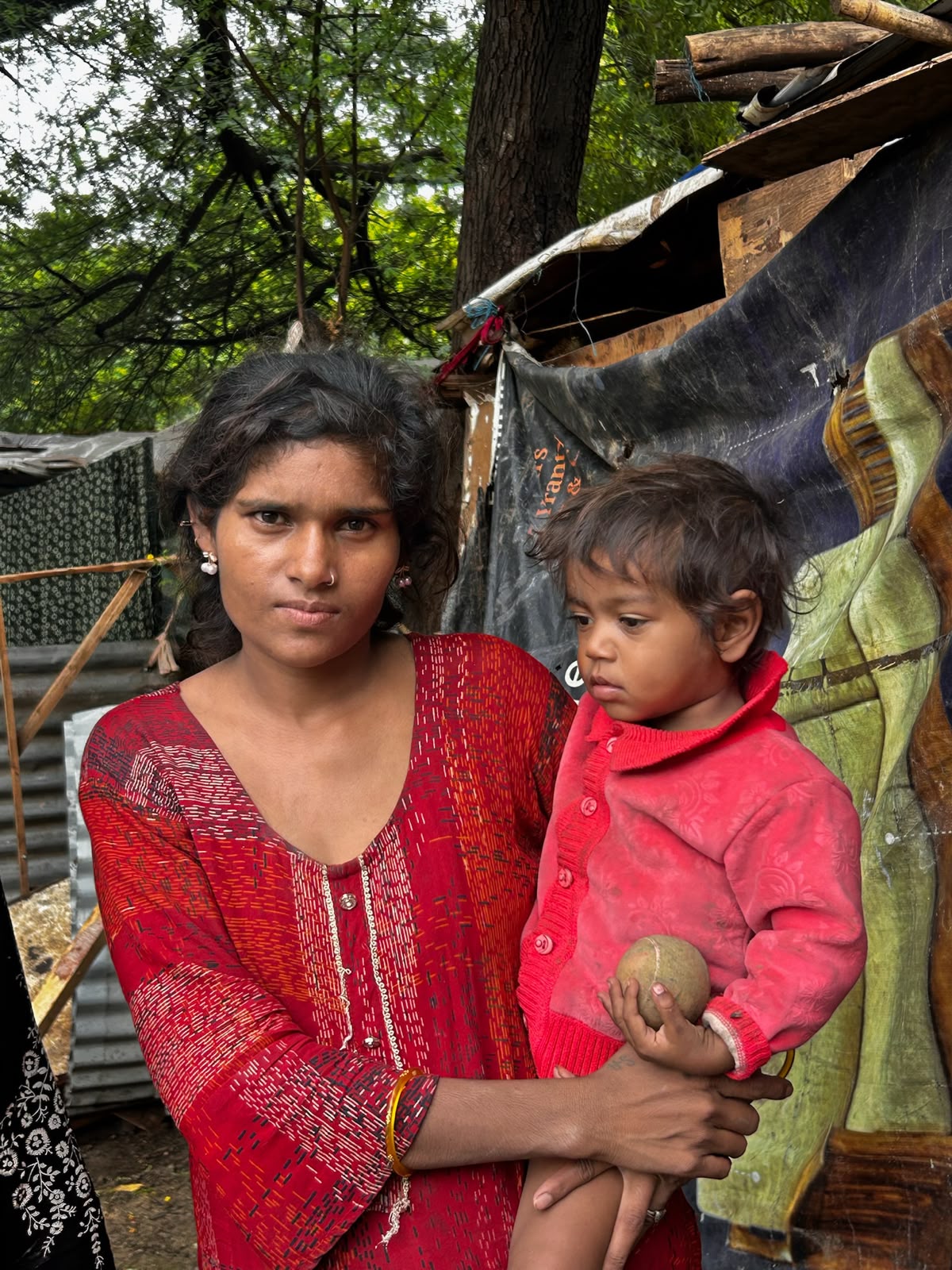
Upon the margins of Indore, in Sadalpur and Rangwasa, live the households of the Nath, and these stand apart from all the rest in the very shape of the family. Here there are, in effect, no adult men: the respondents are almost wholly women, among them an unusual number divorced or widowed, who keep their households alone. In consequence the order of eating is reversed, the children being served first and the mother absorbing whatever shortfall remains. Alone among the four, every one of these families holds a ration card.

13300
View survey →